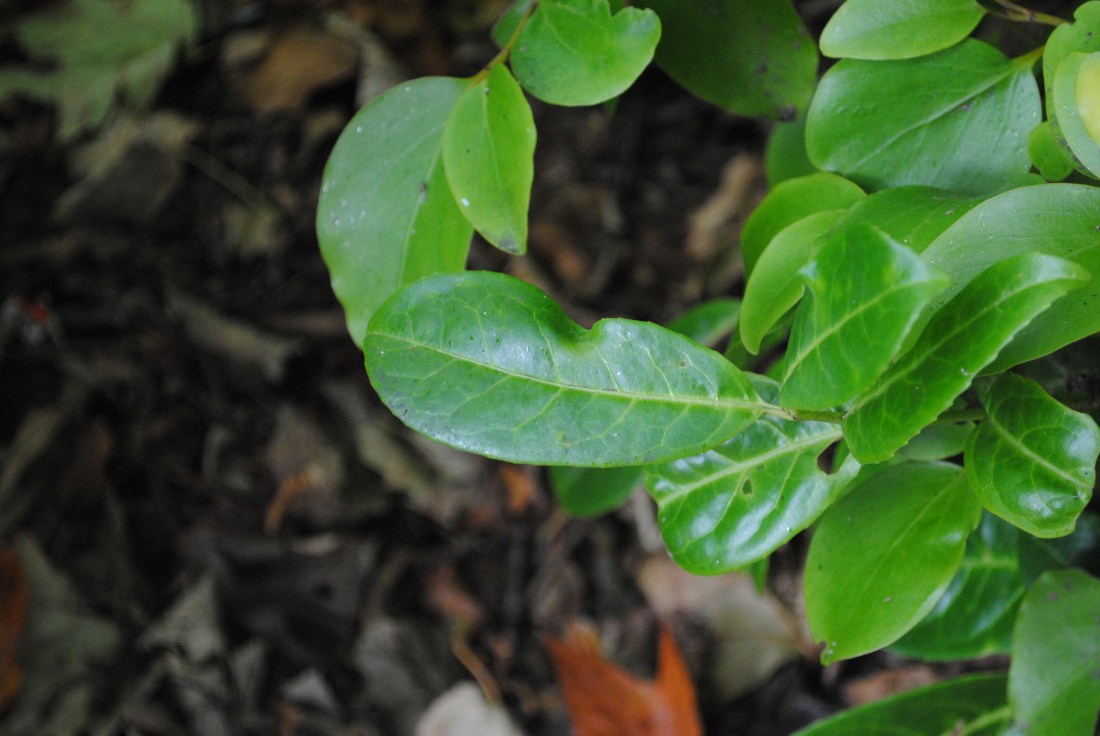
Shallow depth of field
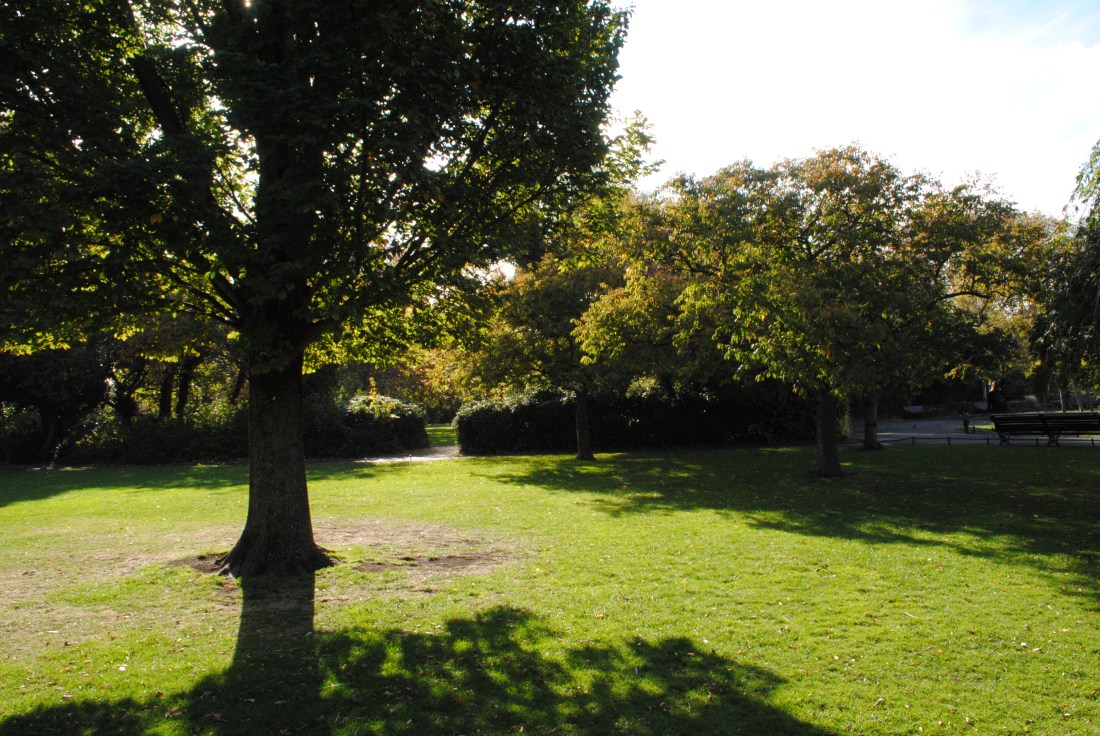
Deep depth of field
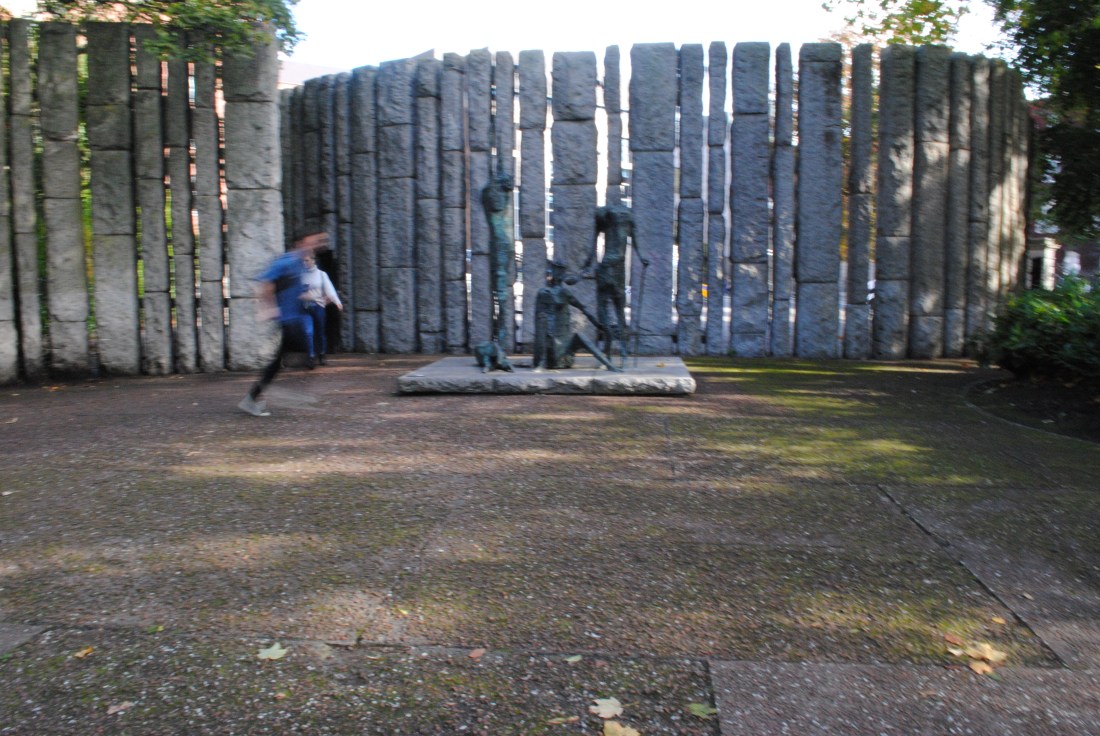
Slow shutter speed
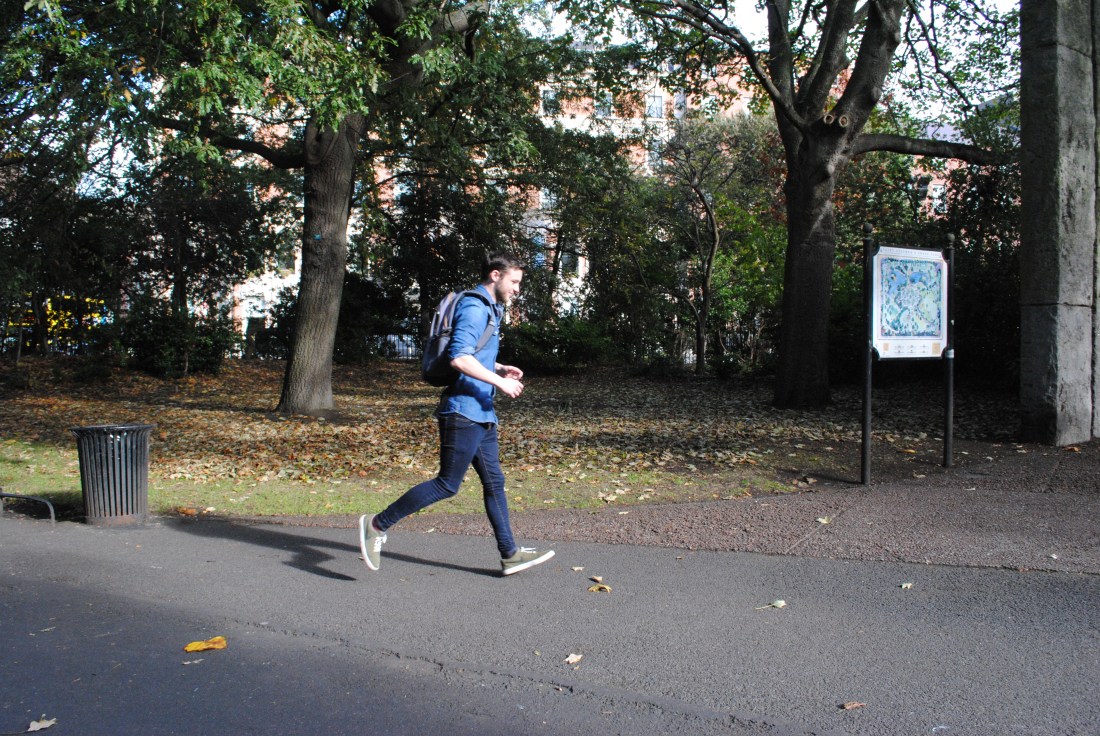
Fast shutter speed
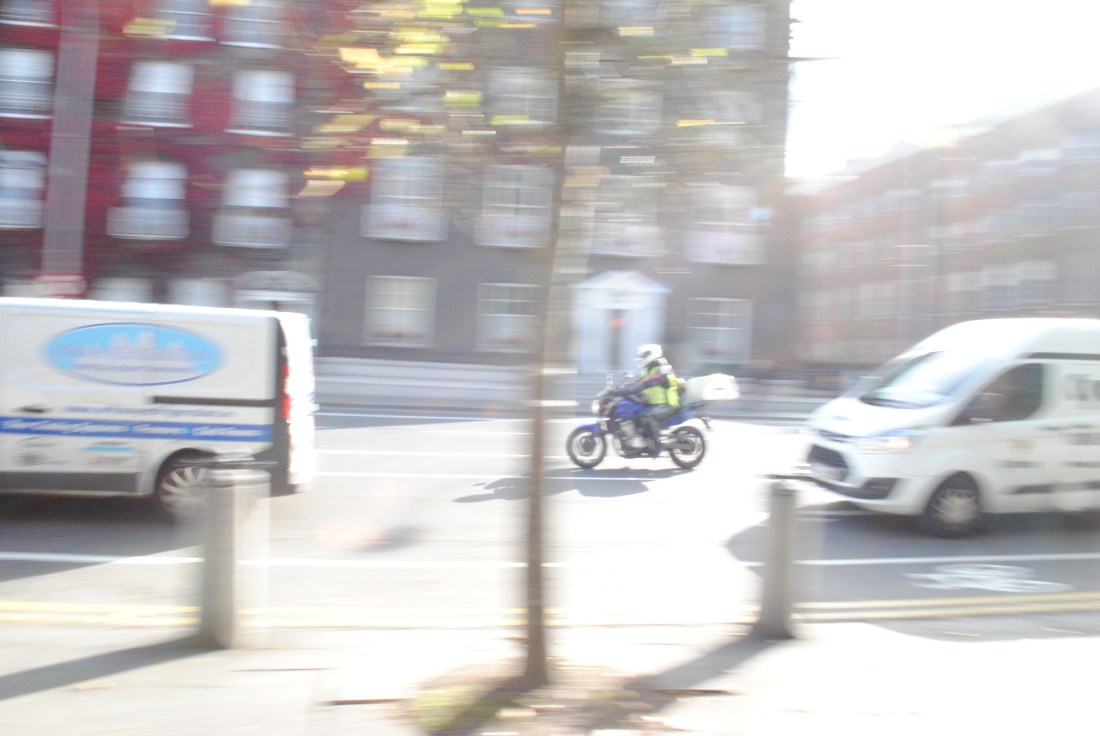
Panning
Shallow depth of field
Deep depth of field
Slow shutter speed
Fast shutter speed
Panning
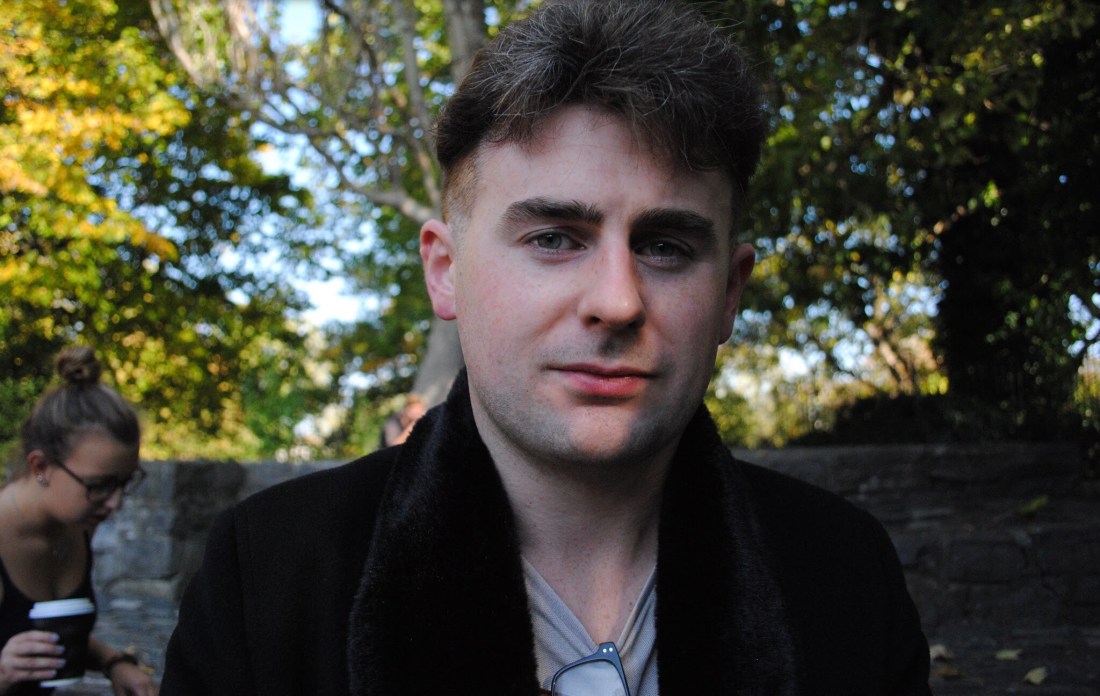
We used different focus numbers to see how the face would change as in when you are closer the face is less sharp and almost distorted. Where as when you slightly away from the person the photograph is much sharper on the persons features 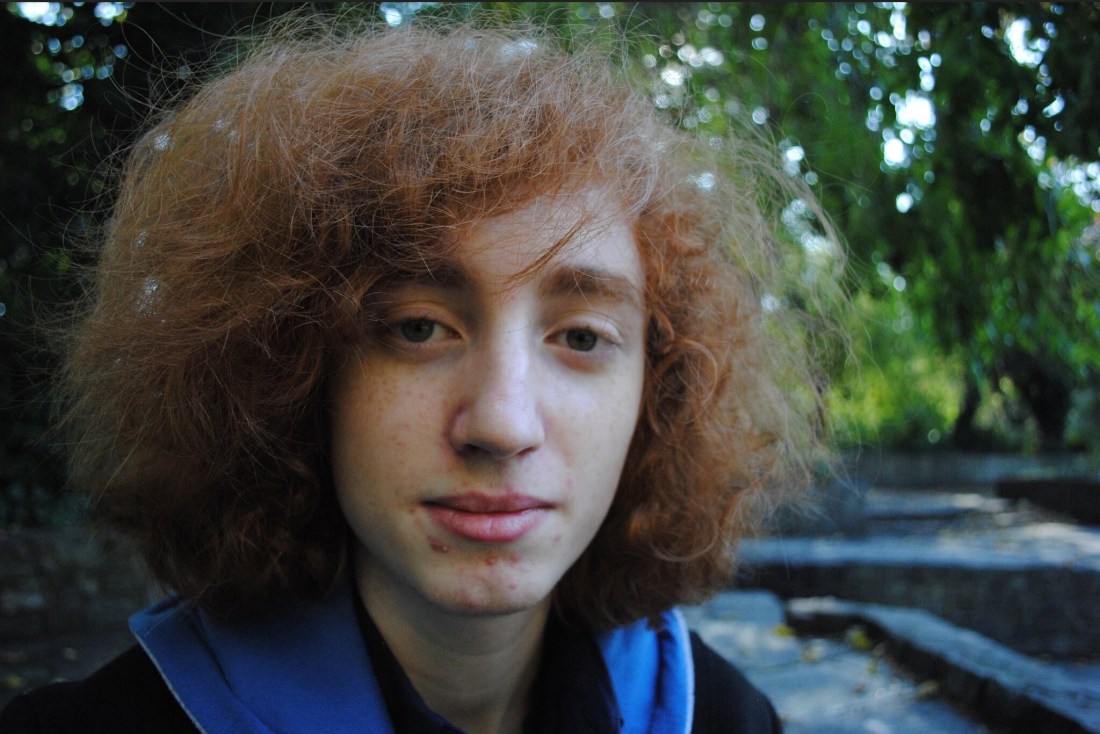
The we did wide shot focused at 18 so that everything in the photograph would be in focus 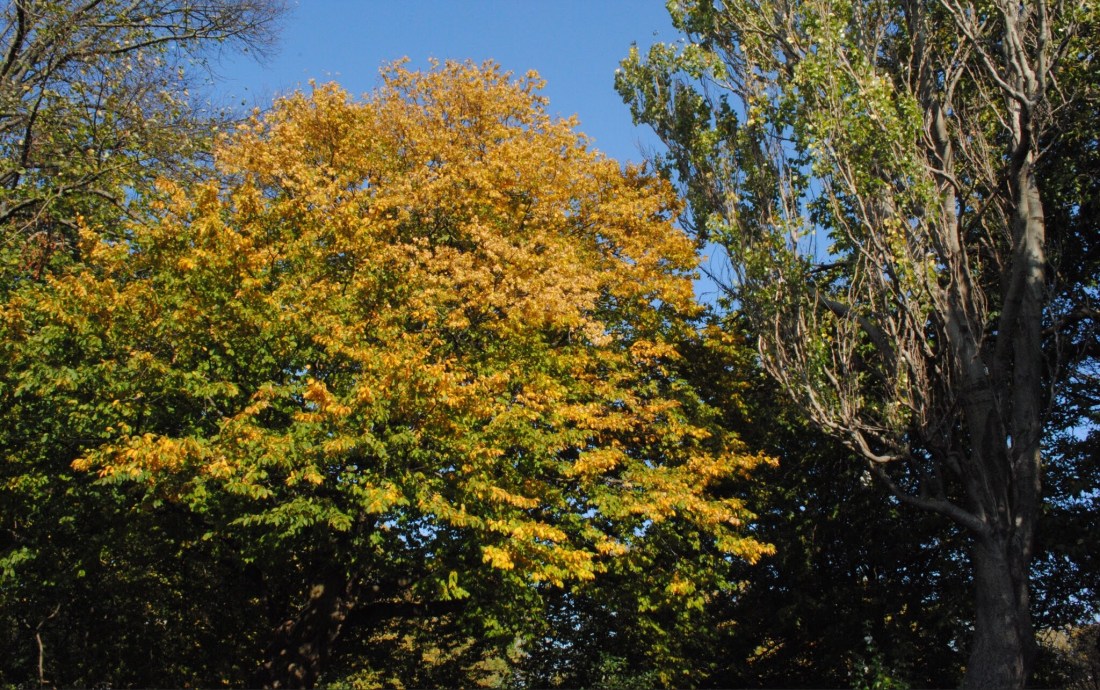
And then we did the opposite to this we looked at a specific object and made sure it was the only thing in focus and that the back ground was a blur. This was at 55 on the focus ring of the camera 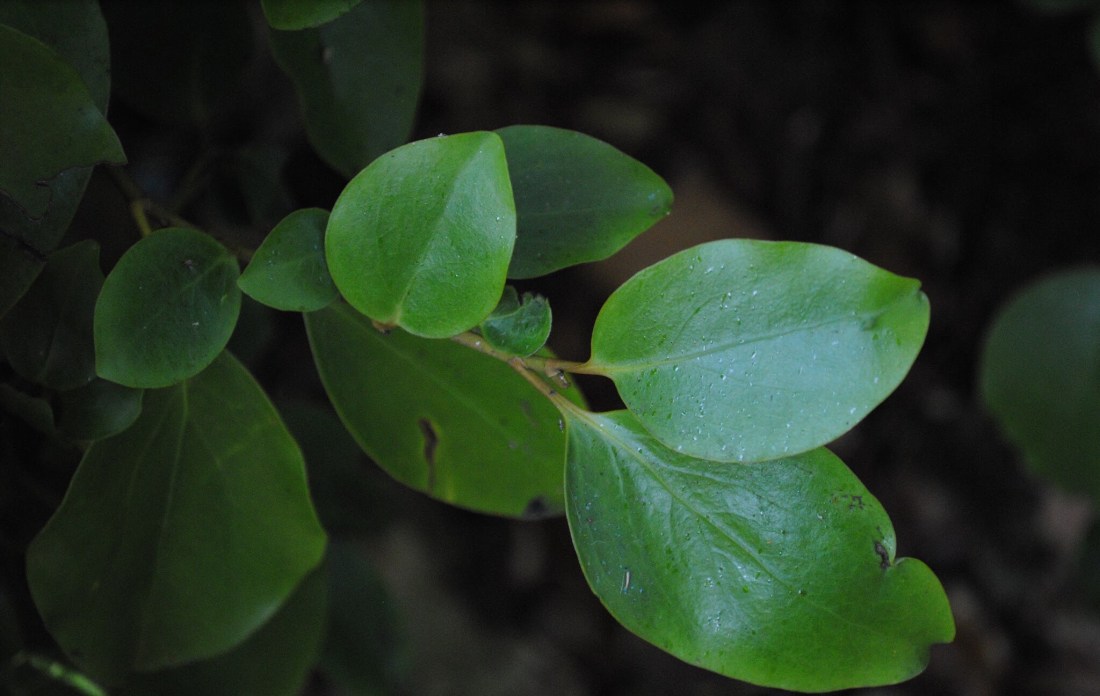
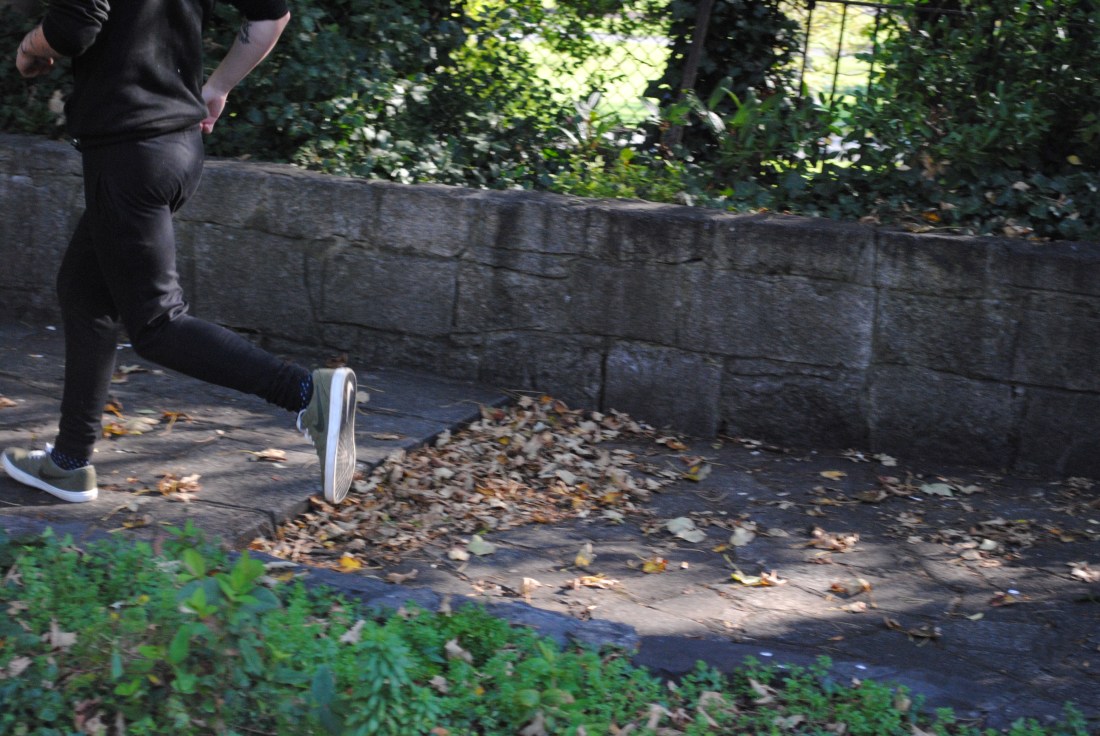
Then we attempted to do some planning and comparison shots of just a still photograph of the blurred person so that we could see how panning was done by moving while pressing down on the shutter button as the object moved but this was less successful. 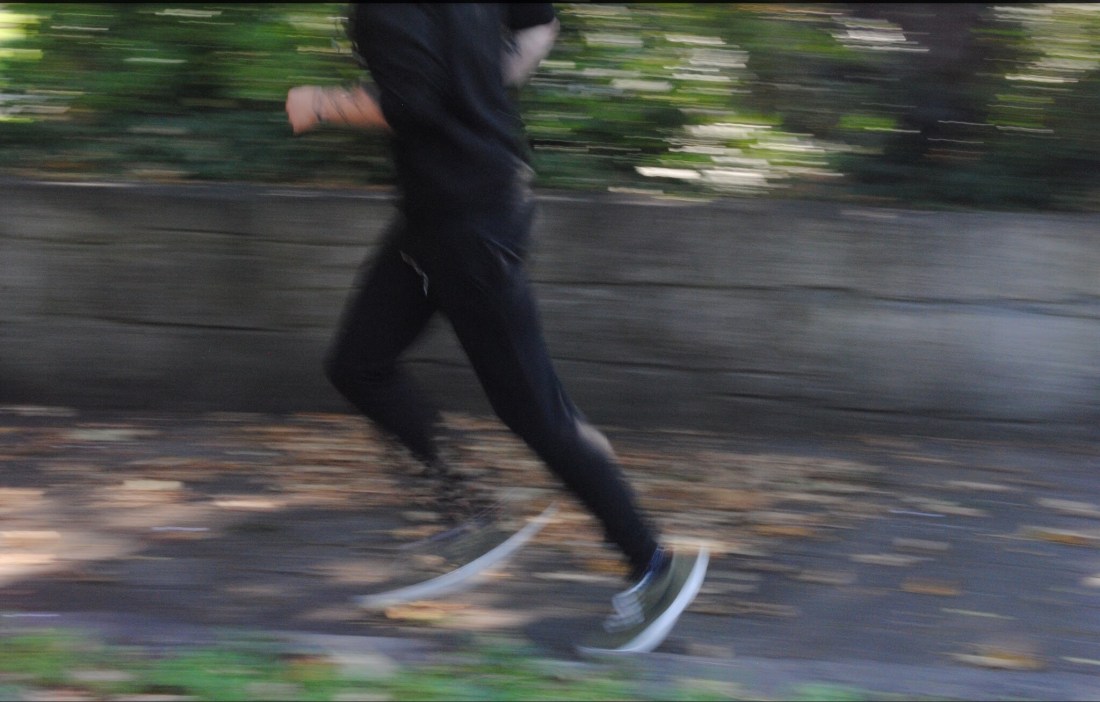
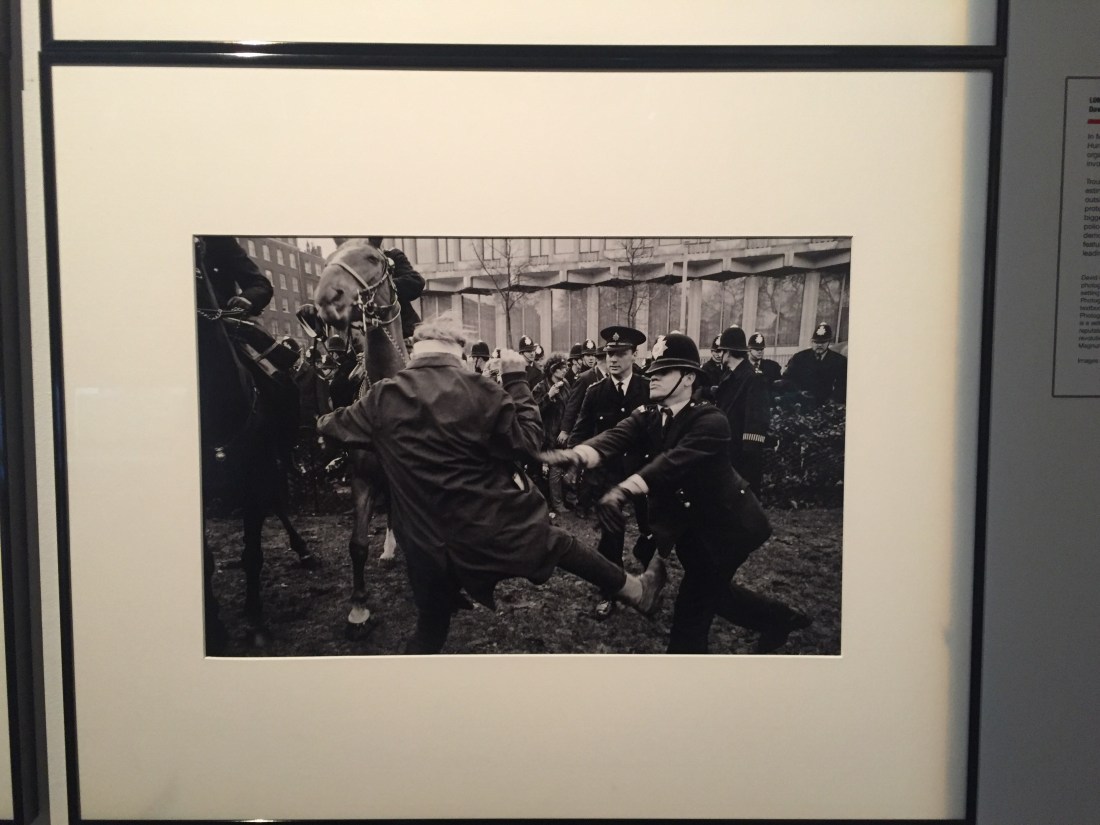
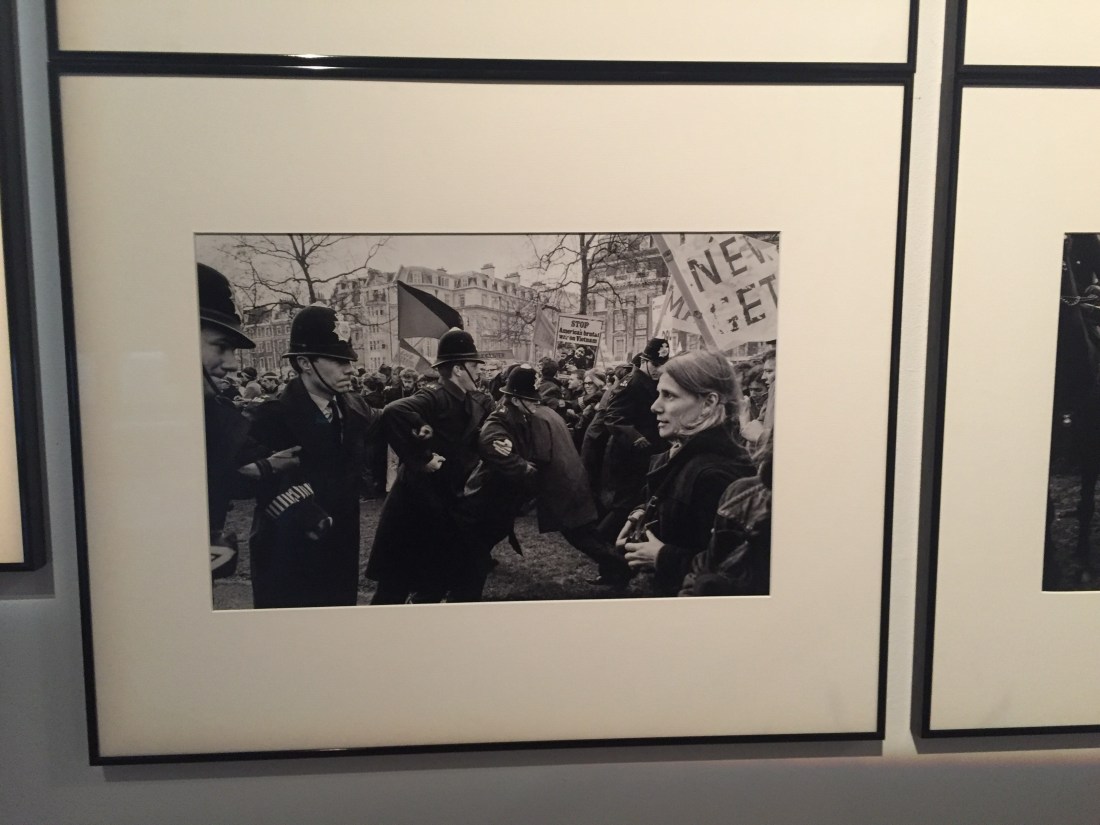
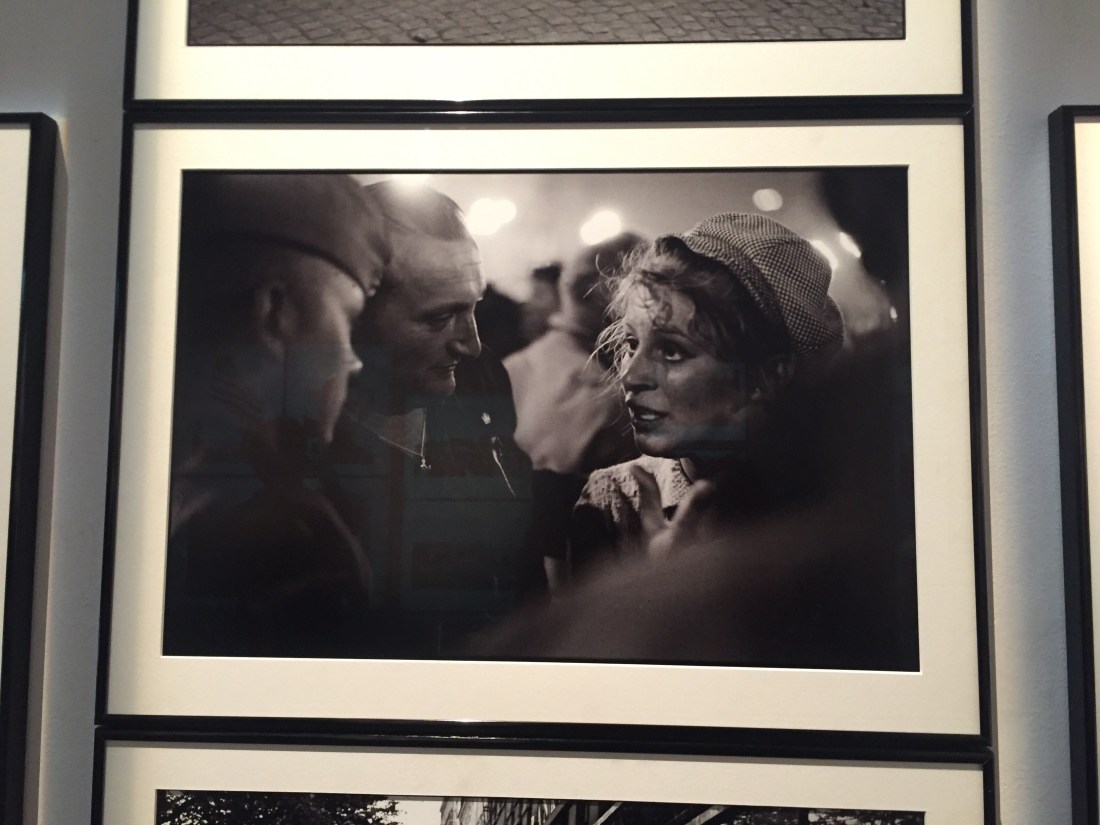
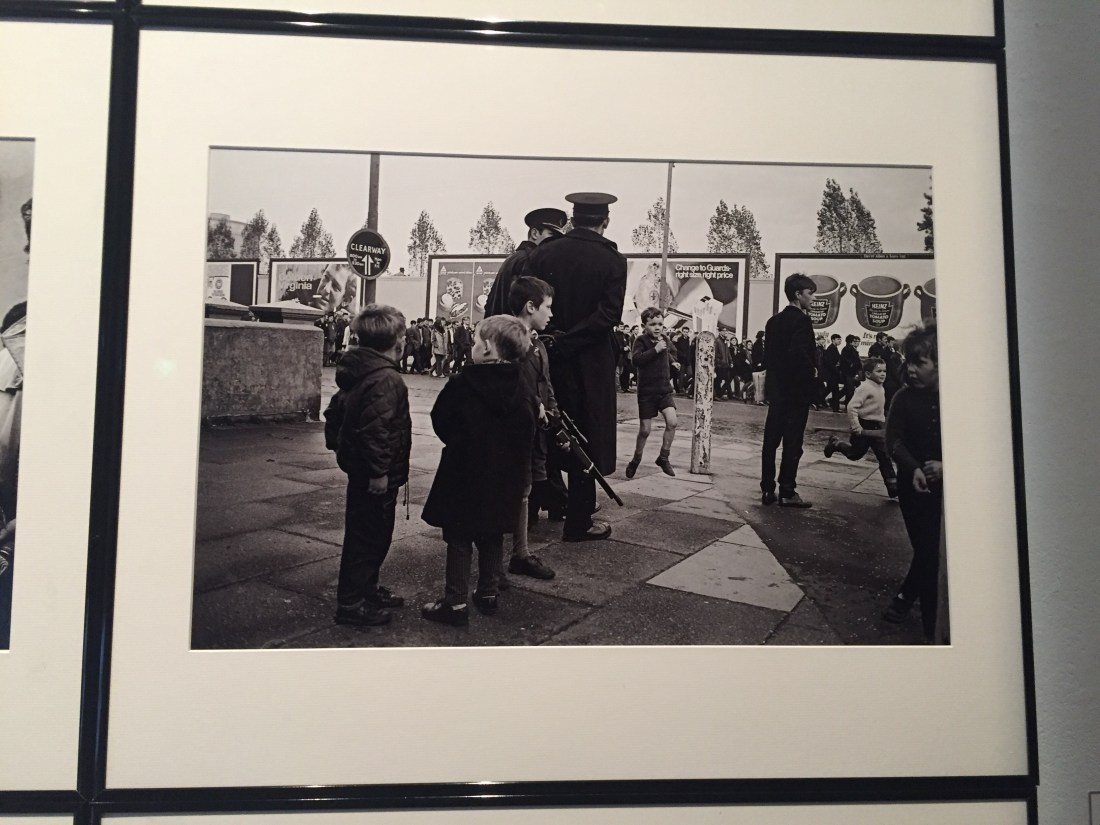
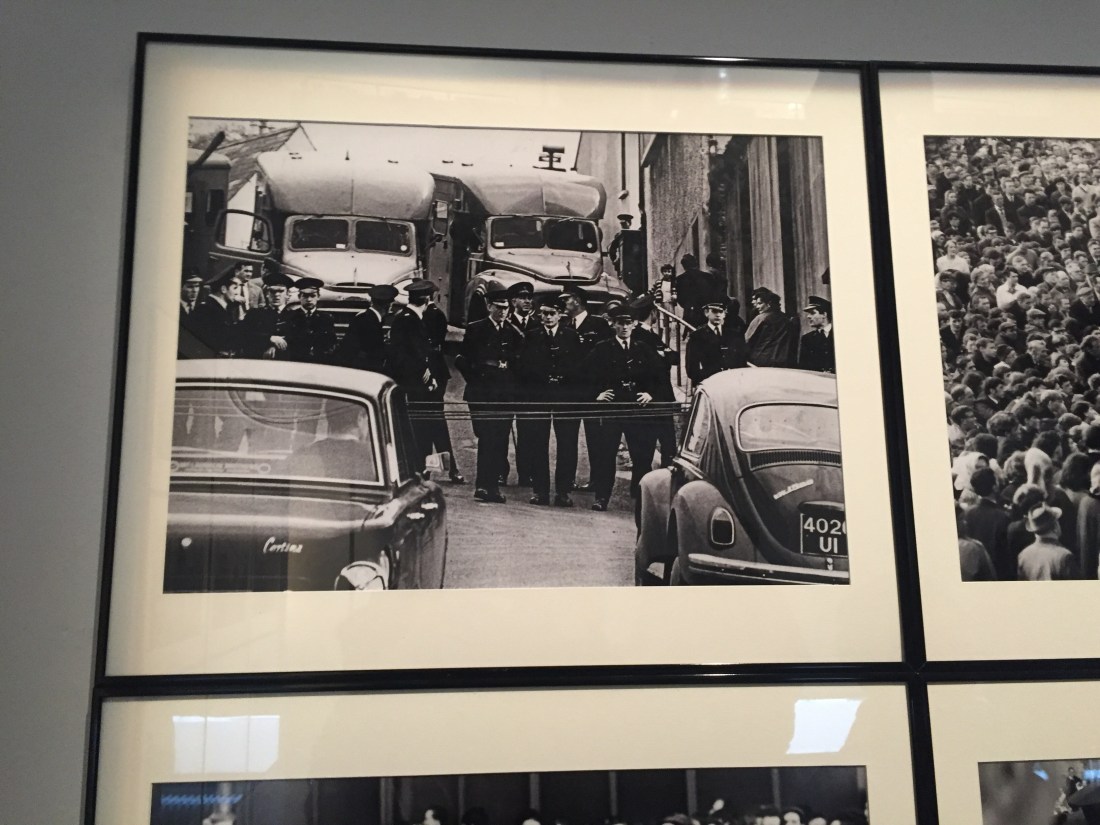
The Lost Moment gallery of photographs was a very intense and moving exhibition that expressed photographs of the universal civil rights movements. It showed how although the protests and marches were held for different purposes during a similar time frame they were all interconnected through the civil rights movement.
The exhibition space expressed images by Steve Shapiro about the civil rights movement over the segregation of blacks in America. his photos , in my opinion, showed real depth in the way the photos showed expressionless faces of all these people fighting to be heard because the colour of their skin neglects to let them have a voice. As you moved through the gallery it would appear as if you were walking by a timeline of photographs, the second set of photographs in the entrance room was in relation to the protest in London in March 1968 about the Vietnam war against the US military forces and how they felt it should have been prevented and soldiers returned .The photographs shown were taken by the Magnum photographer David Hurn who documented this protest which took place outside the US embassy, these photograph even included the actress Vanessa Redgrave when she was young and by having her it made it feel real and not just a history. Another photograph of his , showed the active police as they used there bodies as a barrier against the people and how brutal they could be in preventing the protest from continuing. David Hurn is very influential photographer and his work very recognised for his memorable photographs. Then we move to Prague where we can see the very raw photographs of Ian berry which were about the Anti-Russian protest. His photograph of a women shows a sense of peace amongst the faces of the men who she is talking too as if they are the calmness in the midst of so much chaos where as she flushed and is mid speech about something she is passionate to release to the men in my opinion. There is another photograph that depicts a child holding a riffle which to me shows how innocence of children was broken and removed from them. Then as you moved through the Exhibition to the area that had been devoted to troubles in Northern Ireland , Buzz Logan who documented Belfast in August 1969 which is where he was from. He photographed both Civil rights protests in Belfast which were mainly photographs which showed police lined up as human barricade and then they had barbwire on the borders between the Republic of Ireland and Northern Ireland , which really highlights the problems that were so hard on the people of the two countries and how it could reoccur now with the current and coming issues with Brexit.
What is camera obscura?
Camera Obscura is an optical phenomenon , it involves covering all the light in a room and then making a pinhole in one area where light could enter into the dark room and it would cause a reflection of whatever was outside such as a building but the image would be in the reverse as in upside down, it is a very natural image.
Name four photographers and what they are known for ?
Born in February of 1800 and died in 1877. In 1834 he joined chemistry and art and put it to paper by creating his “mirror images” on paper or the image in lateral reverse and tonal reverse. Talbot was an english scientist, photographer and inventor. He in undoubtedly one of “the founding fathers” of photographical development. His work was possible to replicate.
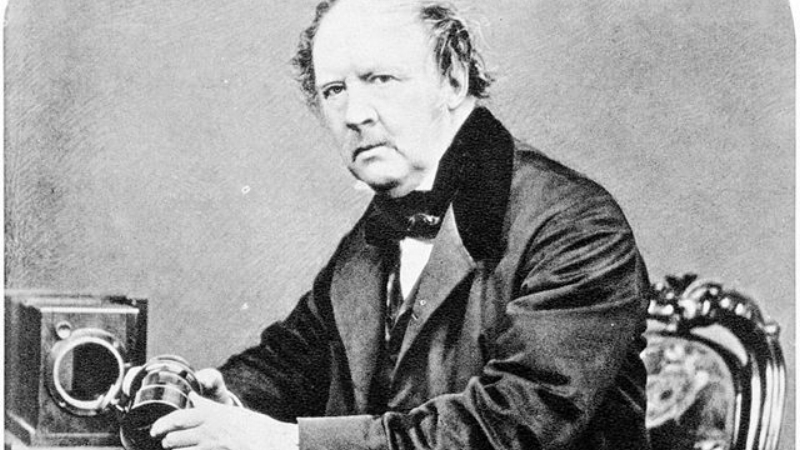
2. Lois Daguerre;
Born in 1787 and died in 1851. Daguerre is a french photographer , his work focused mainly on light reflections on mirror plates that need to be gilded so that work would not disappear as if not it would easily vanish. his work was very intimate and could not be replicated, his pieces were referred to as “mirror memories”.
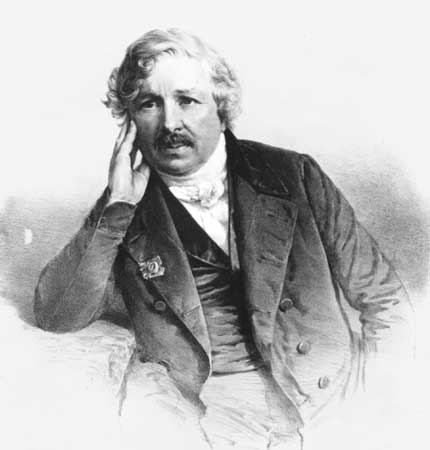
3. Eadweard Muybridge;
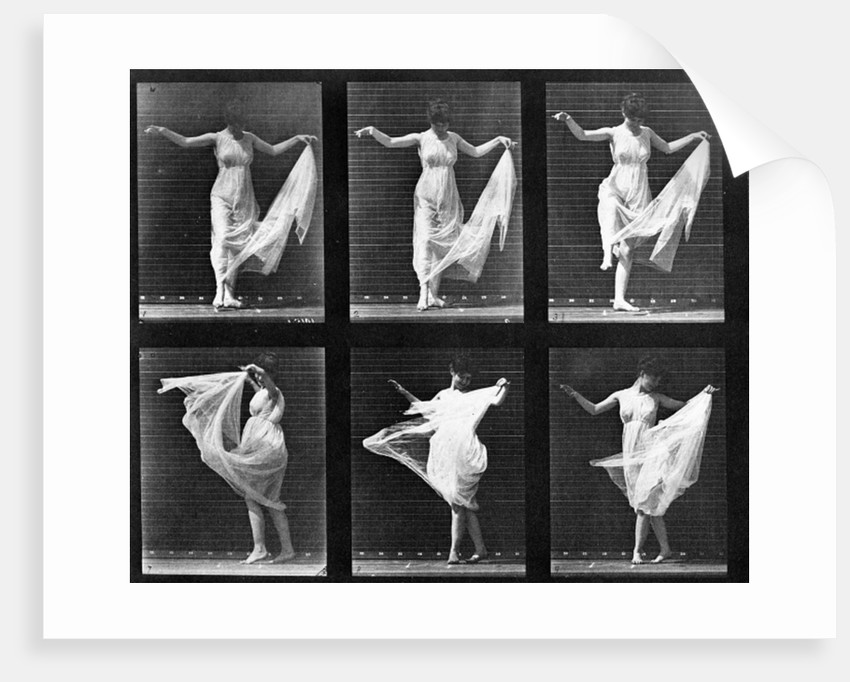
Born in 1830 and died in 1904. He is an english photographer known for his landscapes, panoramas and his photographic studies of motion. He would capture movement of animals using multiple camera lenses which means multiple poses could be photographed in a matter of seconds, this possibility led to film strips used for cinematography .
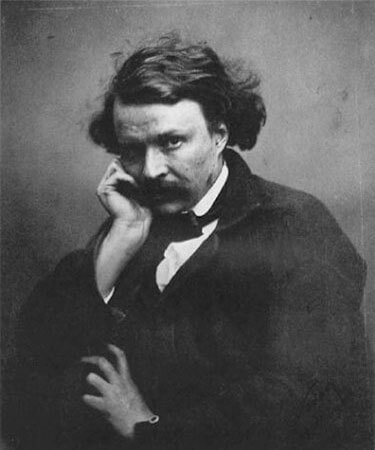
4. Nadar , Gaspard Felix Tournachon;
Born in 1820 and died 1910. Nadar was his professional name, he re wrote the rules of photography , no fake settings , very simplistic and all done in his daylight studio. Nadar is known for his portrait styled photographs of famous people and artists in a very simple way he wanted people to express the character through themselves and not through trying to use props to express their profession. He preferred to photograph people as equals. Nadar had red hair and during his time you could not show that through photography so he would stamp all his photos with a red signature to personalise all his work.
Thanks for joining me!
Good company in a journey makes the way seem shorter. — Izaak Walton

 joannamariacorreiadbs